
Visit Albania: Affordable Travel Experiences
Why visit Albania?
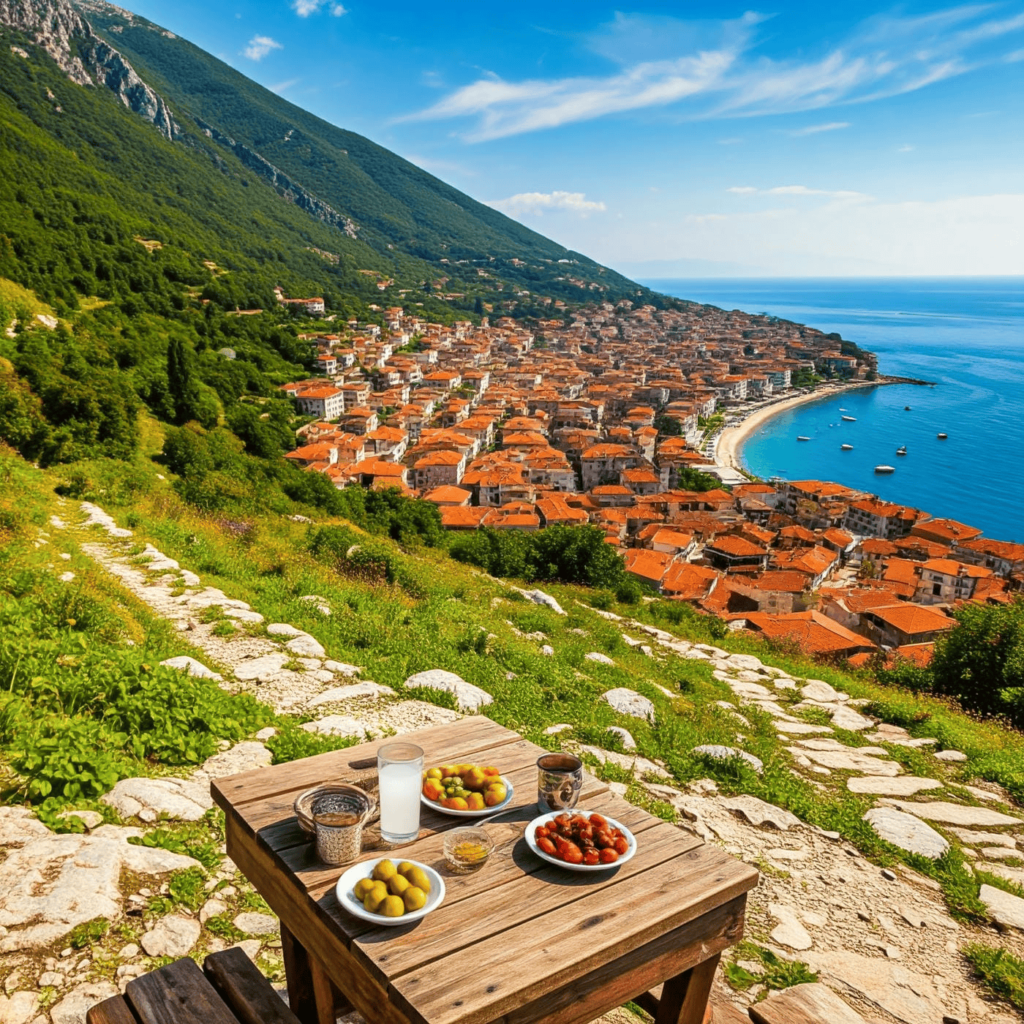
Albania has been described as the hidden treasure in Europe waiting to be found by tourists. Albania has everything tourists, explorers, adventurers and holiday makers seek. From high mountains (the Albanian Alps), beautiful coastlines and swimming beaches (Adriatic and Ionian Seas), rivers and lake-filled valleys, ancient castles, hidden villages, archaeological sites and relics from the past, natural beauty and a welcoming population – most of whom speak English, Albania has something for everyone. Perhaps the most alluring aspect of Albania is that, compared to the popular, well-trodden, established European destinations, tourism in Albania represents excellent value for money, with sensible prices, few crowds and with plenty of attractions waiting to be discovered and enjoyed.
But don’t leave your visit for too long – the secret is getting out and it won’t last for long!
Getting to Albania
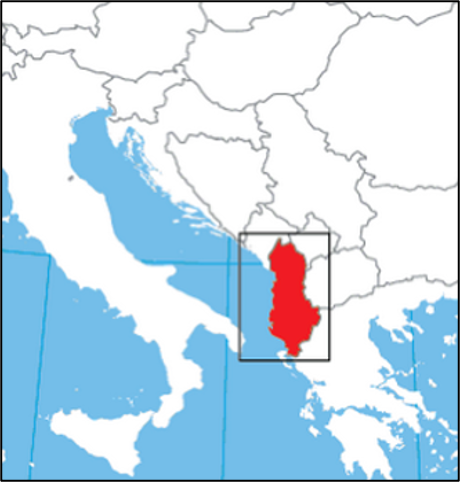
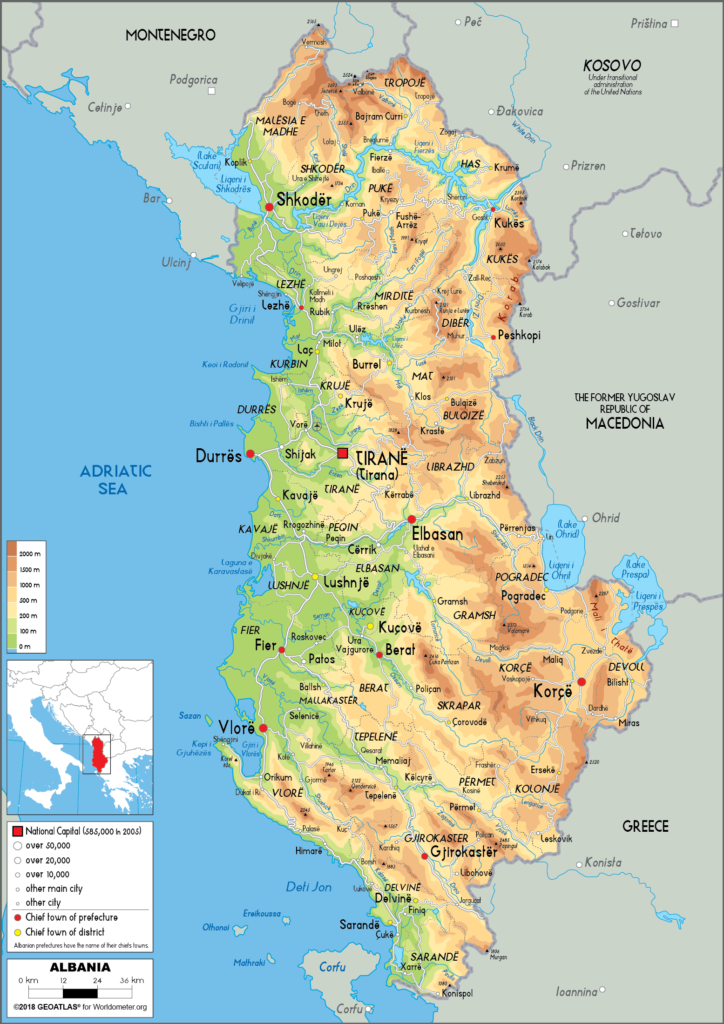
Entry into Albania for many Australians will be by air via Dubai, Doha, Singapore, Hong Kong or the other airport hubs for flights to Europe from Australia. Frequent flights from many cities in Europe will deliver travellers to Mother Teresa international airport at Tirana, Albania’s capital.
Other entry points are overland (bus or car) via Greece, North Macedonia, Kosovo and Montenegro or by ferry from several ports in Italy and Greece (including Corfu) to Sarande, Vlore and Durres in Albania.
What to do in Albania
Albania offers countless activity opportunities for its visitors, including:
Adventure
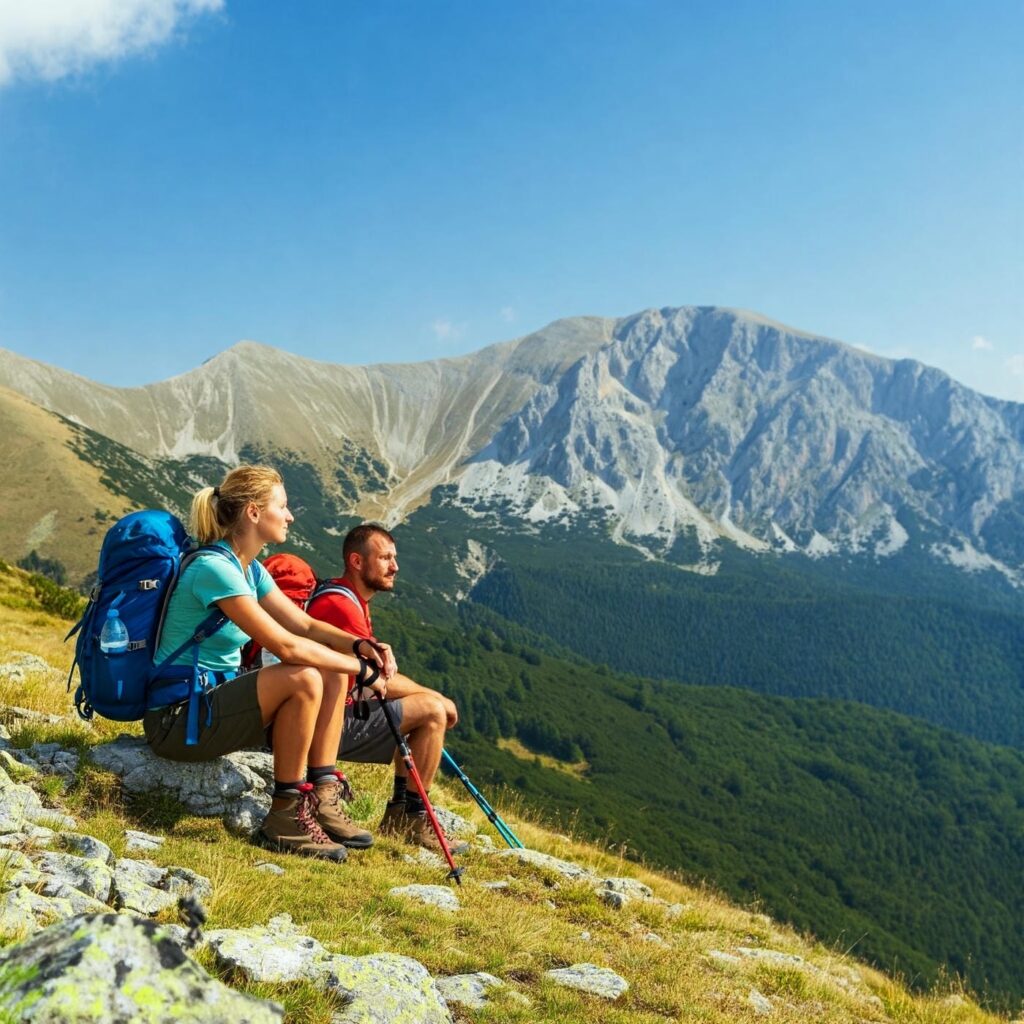
- Mountain walking
- Hill walking and trekking
- Mountain cycling
- Cross-country cycling
- Road cycling
- Kayaking
- Stand-up paddle boarding
- White water rafting
- Kite surfing
- Surfing
- Winter Sports

Cultural activities
- Castles
- Antiquities
- Archaeological sites
- Churches and mosques
- Monasteries
- Museums
- Galleries
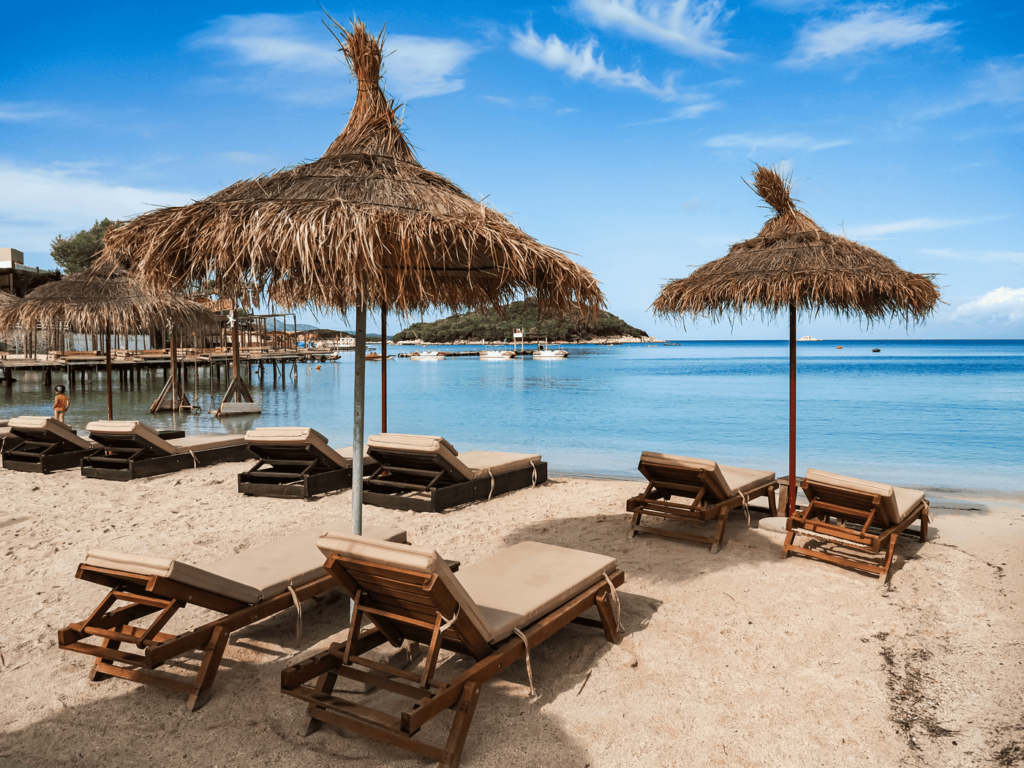
Coastal and beaches
- Relaxing
- Swimming
- Beach combing
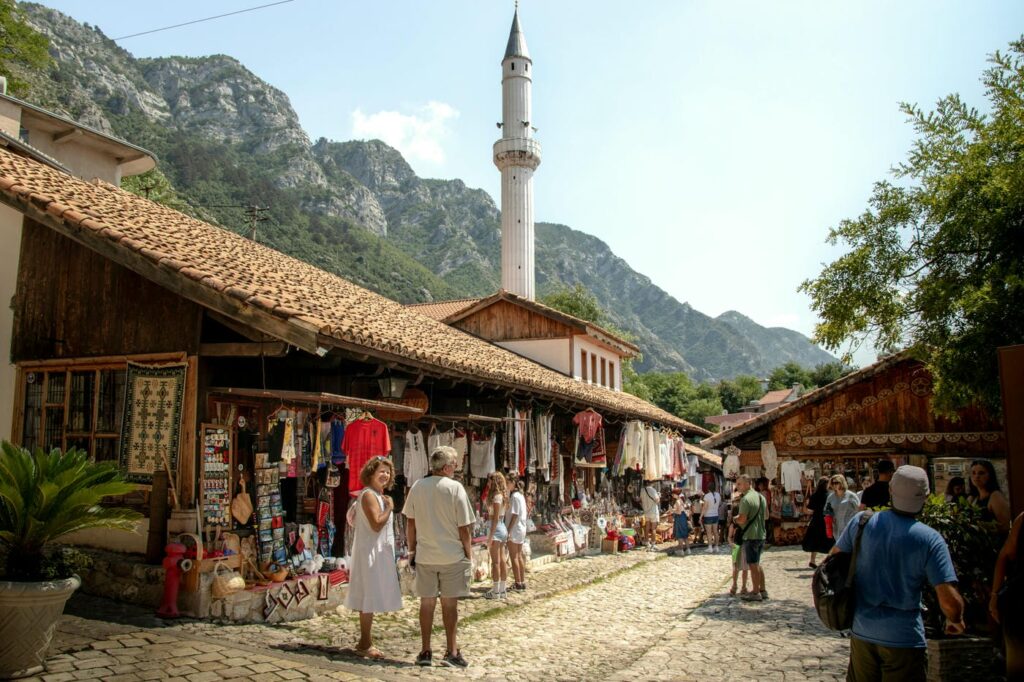
Towns and cities
- Walking
- Shopping
- Dining
- Relaxing
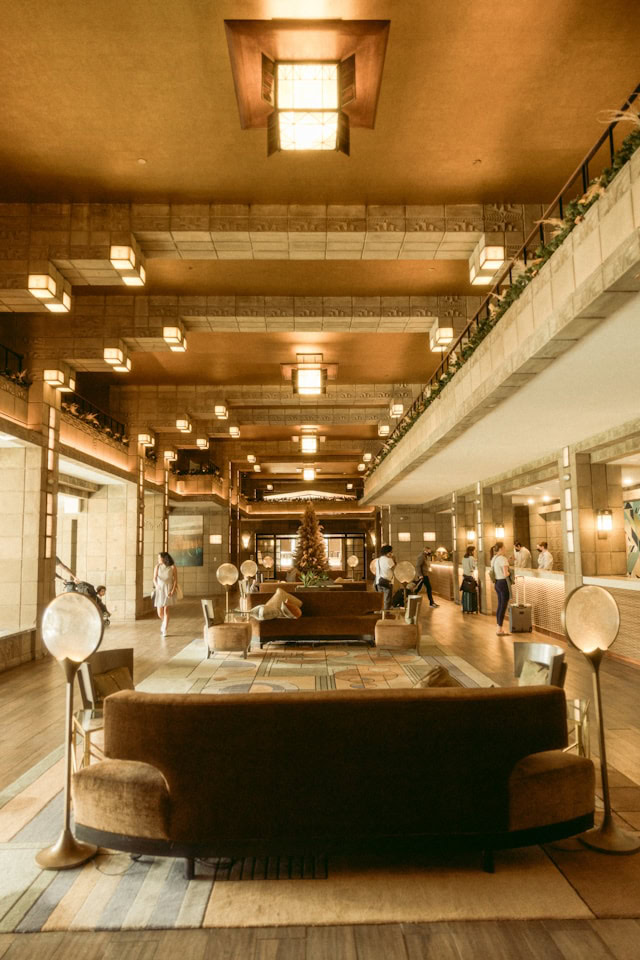
Accommodation options include:
- Hotels from 2 star to 4+ star
- AirBnB
How to book your Albanian adventure
In the first instance complete the contact form at hyperlink letting us know what you want, when and where in Albania you want to go to.
We shall respond and help you frame your ideal holiday in Albania before we hand you on to Wander Albania with whom you will book your chosen custom itinerary.
Who are we?
Albania Travel is located in Australia, and acts on behalf of Wander Albania which is based in Albania. We act as an intermediary to assist clients making their travel bookings with Wander Albania. We are not ourselves a provider of travel services and we have no control over, or liability for, the services provided by third parties.
Albania Travel was established to minimise the number of third parties extracting payments from Australians booking to travel to Albania. We work with Wander Albania and do our utmost to ensure you do not pay more than you need to and to receive the best value for money. Our team members in Australia have spent time touring Albania and they work on a frequent basis with their Albanian colleagues.
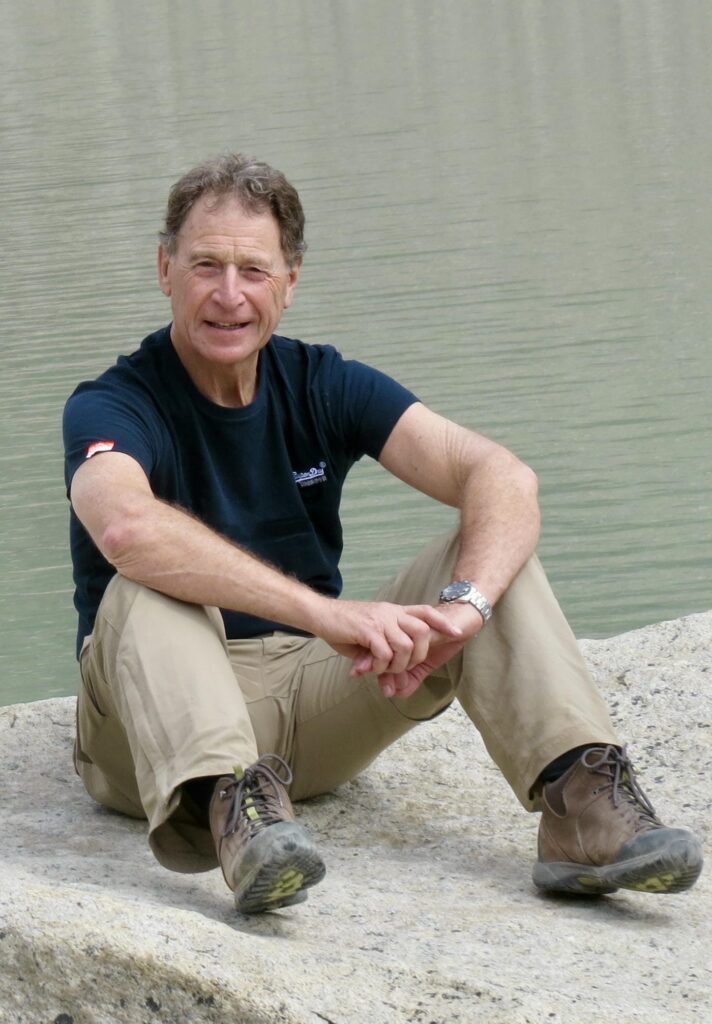
Geoff S.
Albania Travel Ambassador
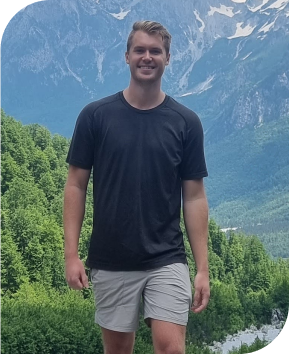
James C.
Albania Travel Ambassador
Some quick facts:
- From North to South: 350 kms
- From East to West: 150 kms
- Population: approx 3 million
- Capital: Tirana
- Currency: Albanian Lek (and increasingly the Euro)
- Language: Albanian
- Religion: 60% Muslim, 38% Christian - living in close harmony
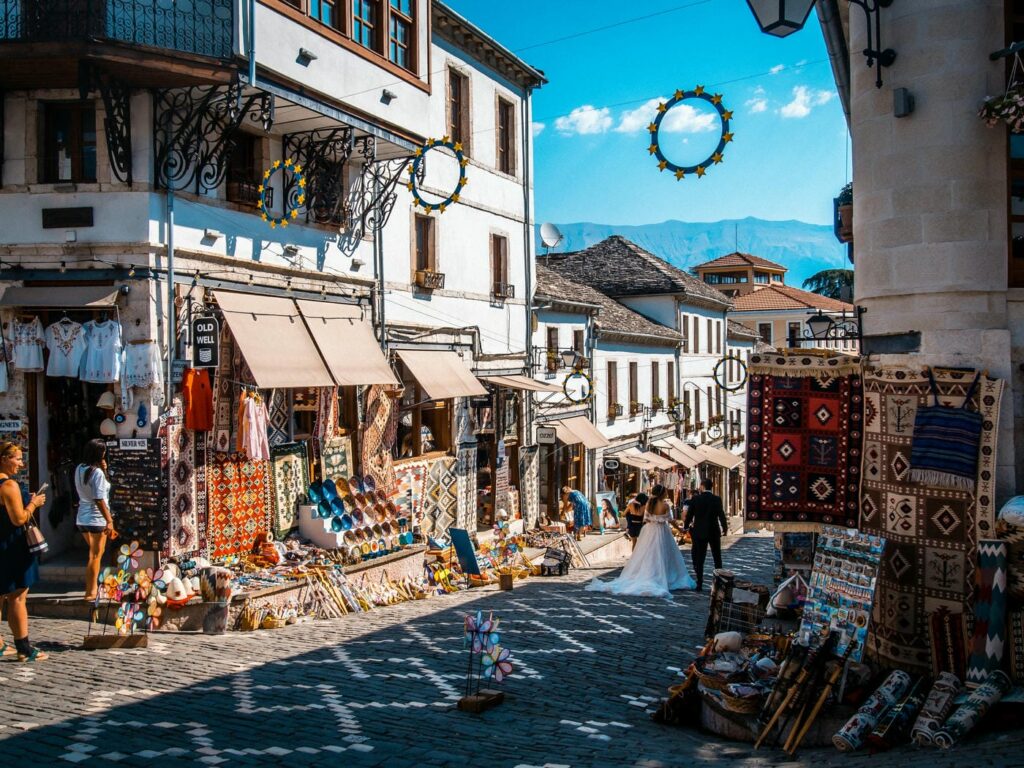
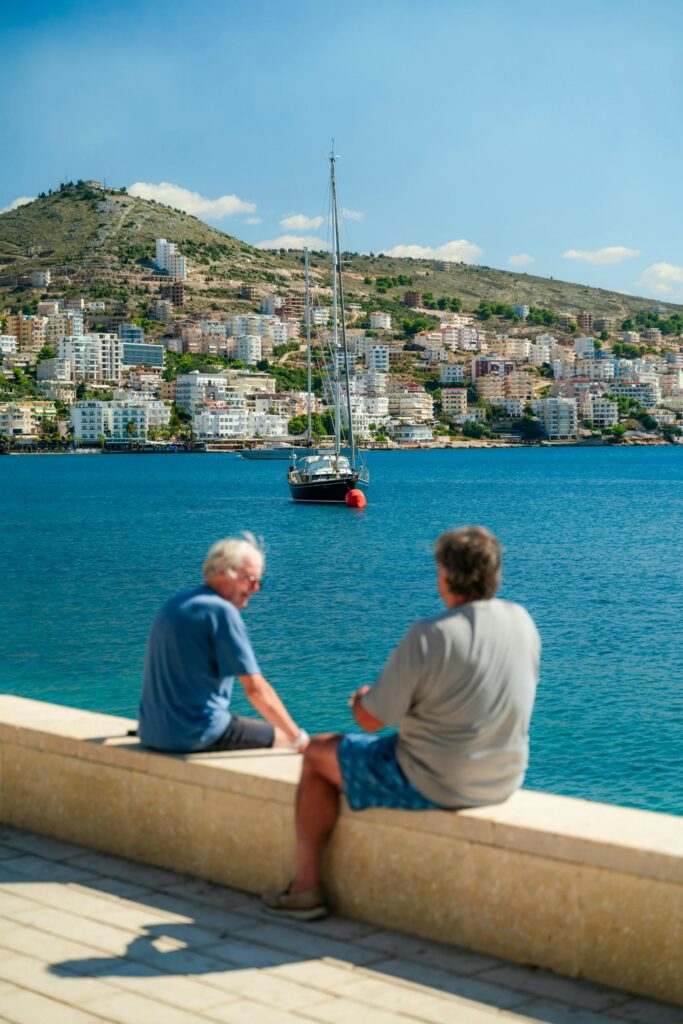
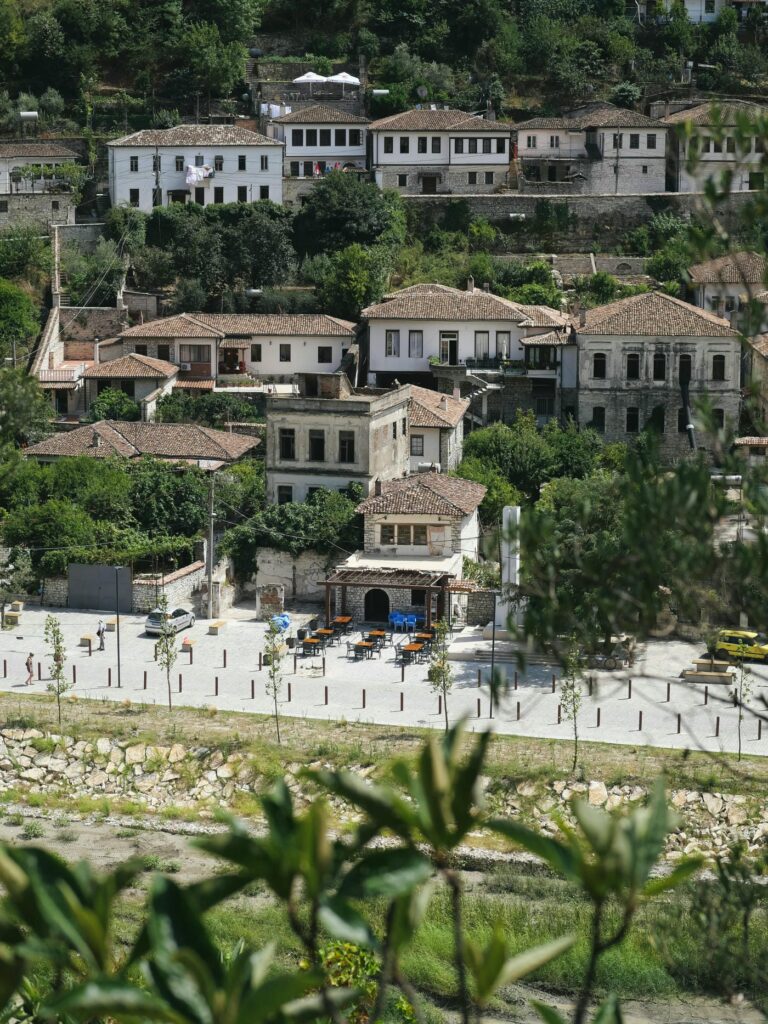
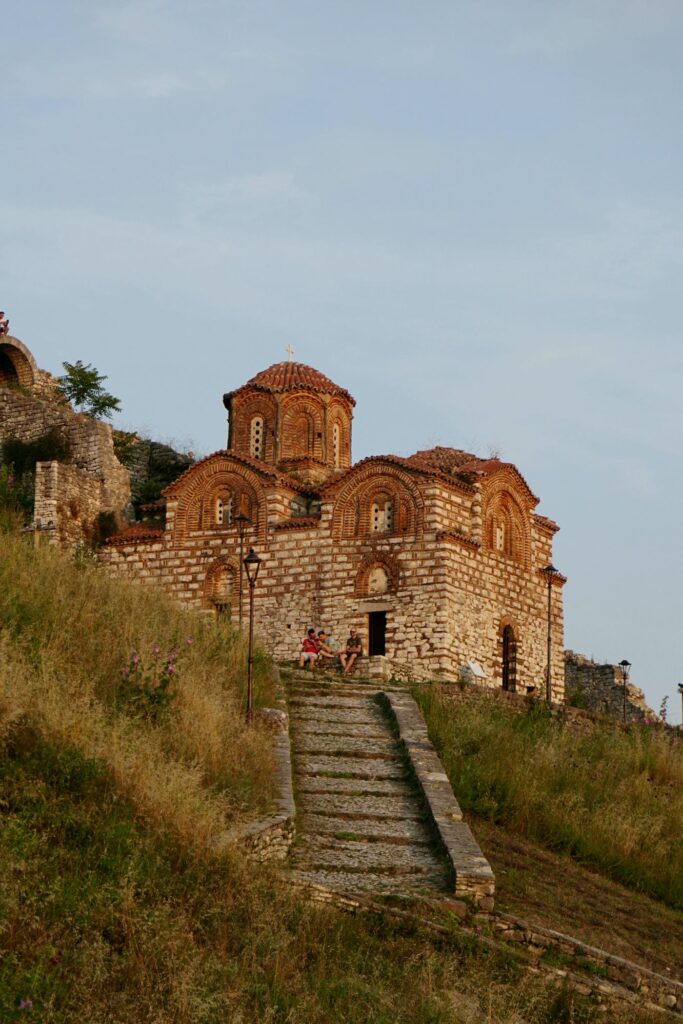
Albania was settled by the Illyrians from Central Europe in the Bronze Age, about 2,000 BC. In 2nd Century BC, the Romans conquered the country, and from 4th Century AD, Albania was ruled by the Byzantine Empire. Subsequent invaders included the Visigoths, Huns, Bulgars and Slavs. In the 15th Century, the Ottoman Turks took control of Albania and cut it off from western civilisation until the 19th Century when the Albanians found their freedom.
From early 20th Century, Albania experienced many changes: it became independent in 1912 but following World War 1, Albania lost much of its territory to neighbouring countries. Between the wars, Albania had its own monarchy. After World War II, Albania became a communist state, although fiercely independent of Russia. With the collapse of the communist regimes in 1989, Albania began orientating its interests to the West and was assisted by USA and the European Union with help from the International Monetary Fund to grow its economy. Today, Albania is a democracy, and it has applied to join the European Union. Levels of poverty in rural areas and unemployment in parts of the country remain relatively high. Albania’s major trading partners are Italy, Greece, Turkey, Germany and China.