
Best Places to Visit and Things to Do in Albania
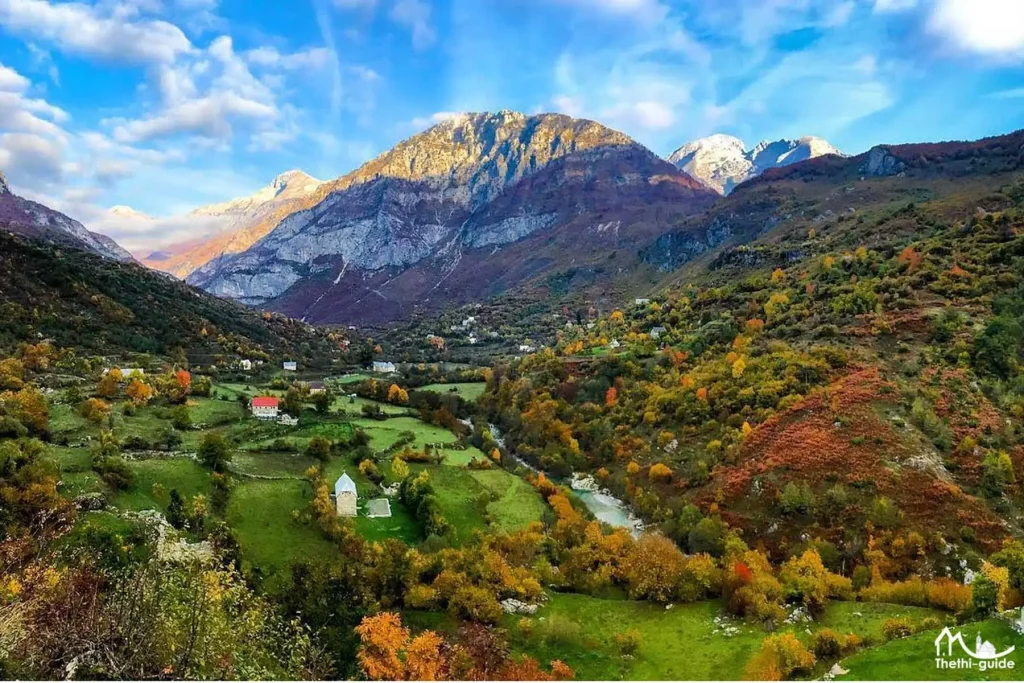
Albanian Alps
The Albanian Alps, otherwise known as the Accursed Mountains, are anything but cursed. The valleys of these soaring mountains are filled with meadows, pastures and lakes in vivid greens, while beautiful, traditional stone villages dot the region. The slopes, which are thickly forested and turn a fiery red and orange in Autumn, lead to summits that are licked in ice and snow during the Winter months. This is excellent hiking country, and numerous trails provide rewarding treks around the slopes, the most celebrated being the three-nation Peaks of the Balkans Trail, which traverses neighbouring countries Kosovo and Montenegro.

Albanian Riviera
Beautiful beaches line the 120 kms long Albanian Riviera which starts in Vlorë and runs South from there. There are countless beaches to choose from, some pebbly, others sandy. You can select the crowded shores of Sarandë or the more remote Gjipe Beach, recently voted one of the best beaches in the world. Located between Himarë and Dhermi, are the remote stretches of white sands, flanked by soaring, rugged cliffs, offering some good walks and hikes either on the high ground or along the beaches. The waters are usually crystal clear. The sleepy coastal town of Ksamil offers an alluring style of facilities and beach life. Wherever you choose to visit, you’ll find sites equivalent in natural beauty to those in Greece or Croatia but without the hefty price tag.
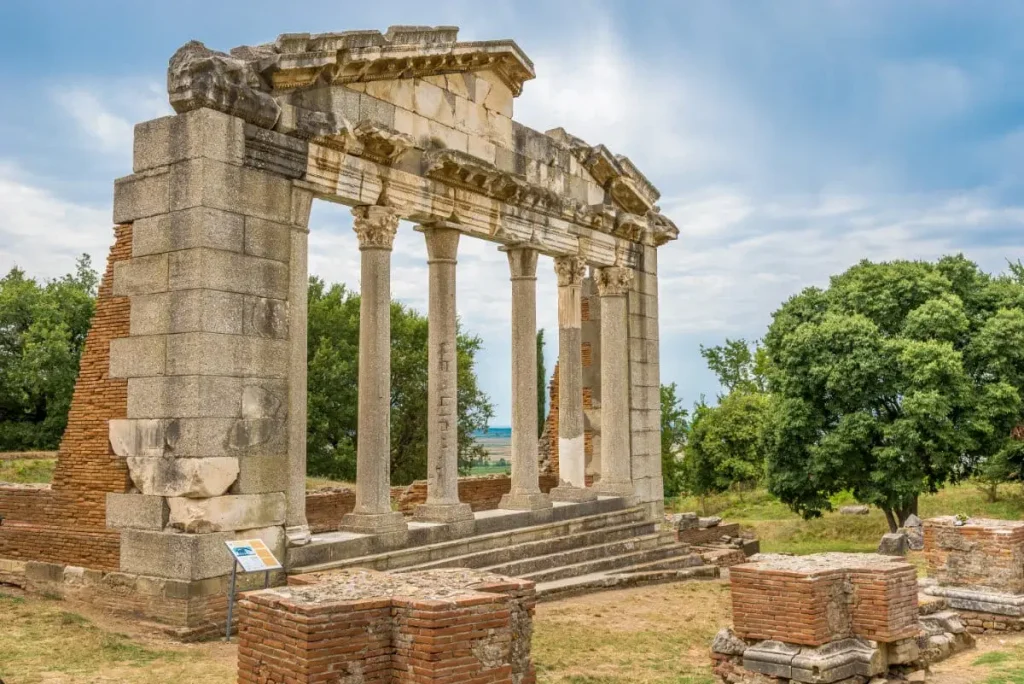
Apollonia
The ruins of the ancient Illyrian city of Apollonia, founded in 588 BC, are in a tranquil setting and are definitely worth a visit. Today, the site is still revealing some significant new finds from among the half-buried walls, mosaics and pillars. The theatre and the administrative centre are impressive, and the museum has some very interesting exhibits.
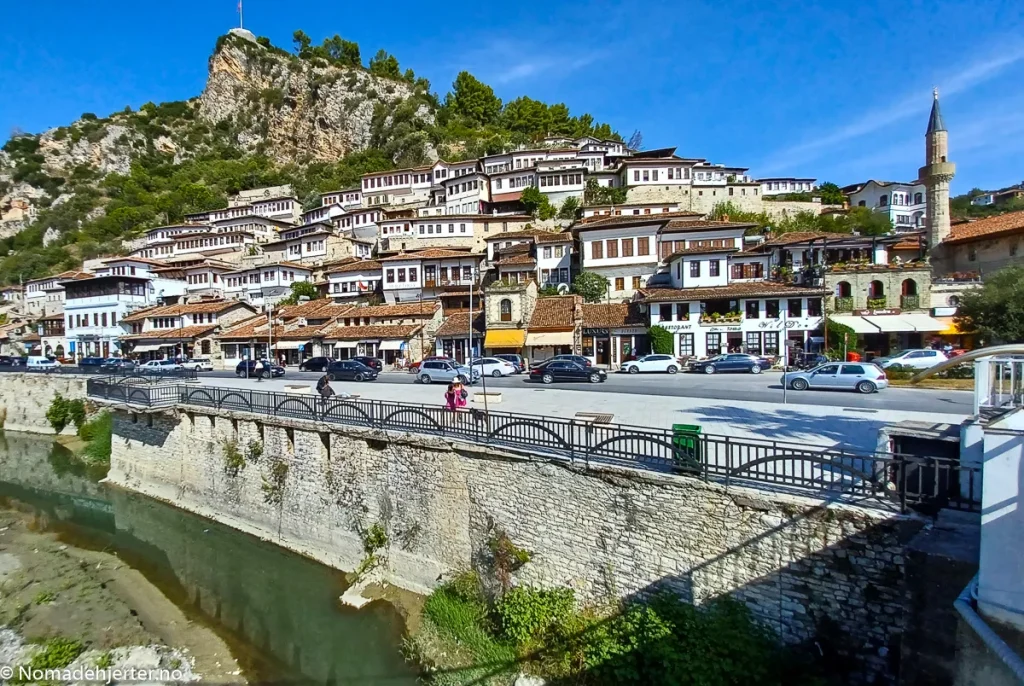
Berat
The ‘town of a thousand windows’ aptly describes the 2,400 year old Berat, a UNESCO listed World Heritage city on the Osum River in central Albania. Alongside, and close to the river, are white Ottoman-designed houses, clustered tight against the side of a forested hill. On a hilltop, looking down over the riverside community, is the 4th Century Berat Castle. Within its walls there are inhabited buildings including small guest houses, cafes and restaurants, Byzantine churches, the Red Mosque and the Onufri National Museum containing Christian icons. In the lower part of the city is the Ethnographic Museum, in an 18th-century house, displaying traditional crafts and part of a reconstructed medieval bazaar.
This is a beautiful old town, both parts of which need to be visited to take in their history and attractiveness.
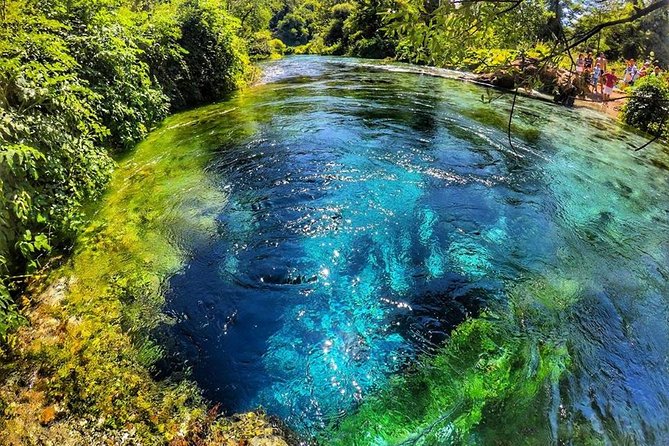
Blue Eye
Blue Eye is a cool 10°C in temperature year-round water spring and natural phenomenon, emerging from a karst hole, near Muzinë in Vlorë County. The site is surrounded by lush greenery and shrouded in mystery. The clear blue waters are a popular tourist attraction, although swimming is prohibited. This natural feature is reminiscent of a human eye; blue-green waters surround what looks like a darker blue ‘pupil’ as the fresh water is forced to the surface. This is the source of the 25 kms long Bistricë River which ends in the Ionian Sea south of Sarandë.
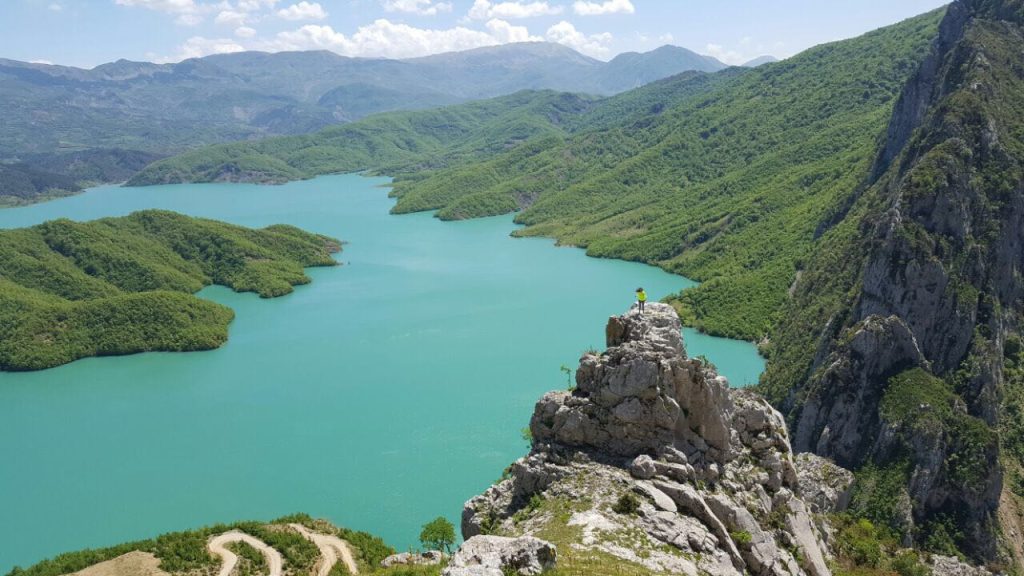
Bovilla
Bovilla, about 45 minutes north east of Tirana next to a beautiful reservoir and terrain that offers excellent climbing throughout the year. The reservoir feeds water to the capital, Tirana from its 60 square kilometre catchment area. During the summer a small bar/restaurant opens next to the river where you can lounge in the cool waters or enjoy a refreshing drink and local food.
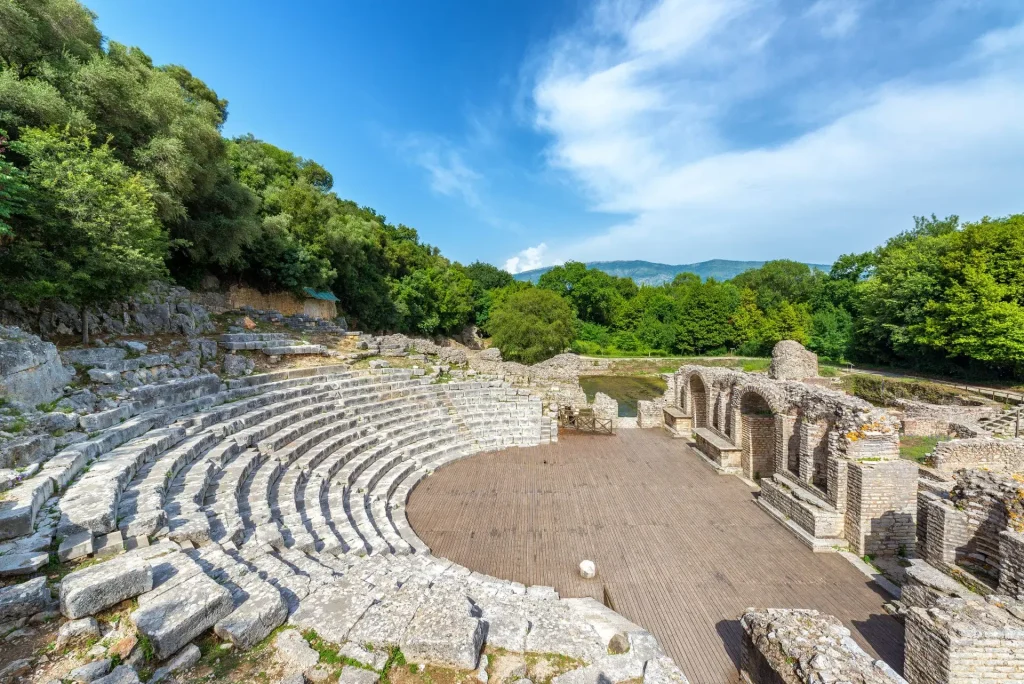
Butrint
Ancient Greek and Roman civilisation are evident at the extremely impressive UNESCO World Heritage archaeological site of Butrint. Set in shady woodland and on the shores of a quiet coastal lagoon, the 200 hectare site’s notable ruins include the theatre, Forum, Roman arches, Byzantine mosaics and a public baths complex. If time is in short supply, make a point of seeing the Dea of Butrint, a goddess statue which proudly features on postcards and magnets across Albania.
Near to Butrint are Karaburun-Sazan National Marine Park with its canyons, steep cliffs, and mountains. You can hire a speedboat or swim in clear waters and snorkel to the Cave of Haxhi Ali.
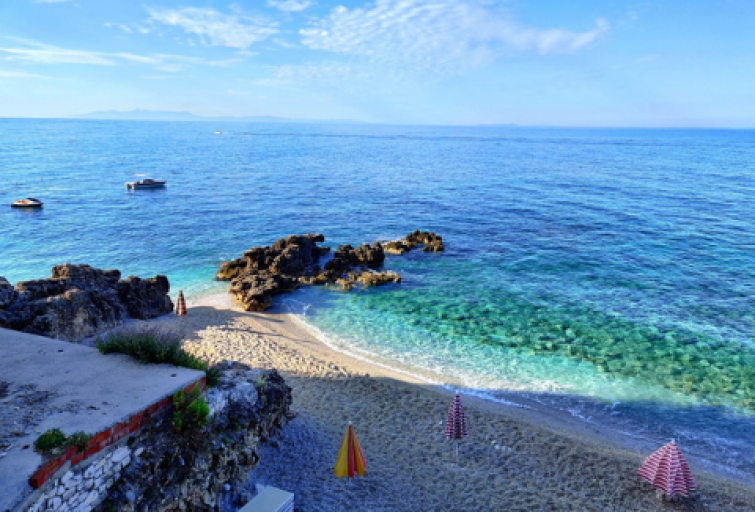
Dhërmi
Dhërmi is one of the pearls of the Albanian Riviera. The town has idyllic beaches, trendy beach bars and the restaurants – many of them on the waterside – serve some excellent fish dishes. In the Summer, the town hosts several music festivals which attract many youthful visitors.
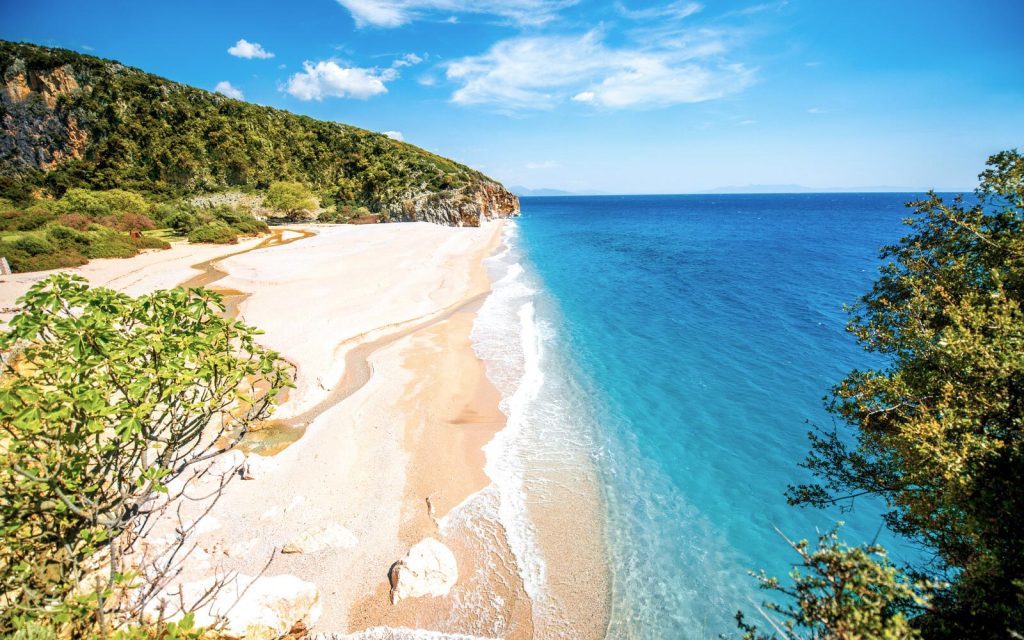
Gjipe Beach
This very attractive beach is on the coast, north-west of Porto Palermo, in Vlorë County. It is a small, white-pebble beach, set below cliffs at the mouth of a wooded gorge with clear, clean sea water. There is a small seasonal beach café up the gorge and a basic camping area is nearby. A good 45-minute walk to Gjipe Beach starts from the thick stone walls of Saint Theodore Monastery to the West of the beach.
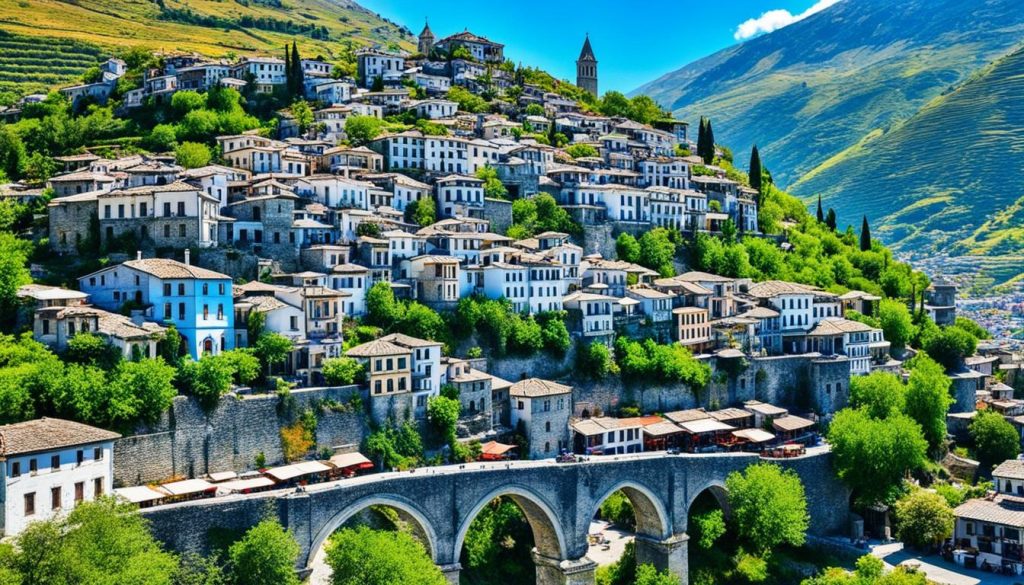
Gjirokastër
The 2,500 year old hill town of Gjirokastër, known as the City of Stone, and which is a UNESCO listed site, is in southern Albania, and contains excellent examples of Ottoman architecture, a magnificent castle (one of the largest in the Balkans), an old bazaar, cobbled streets, arty cafes, numerous restaurants and souvenir shops. It’s also the birthplace of former Communist dictator Enver Hoxha.
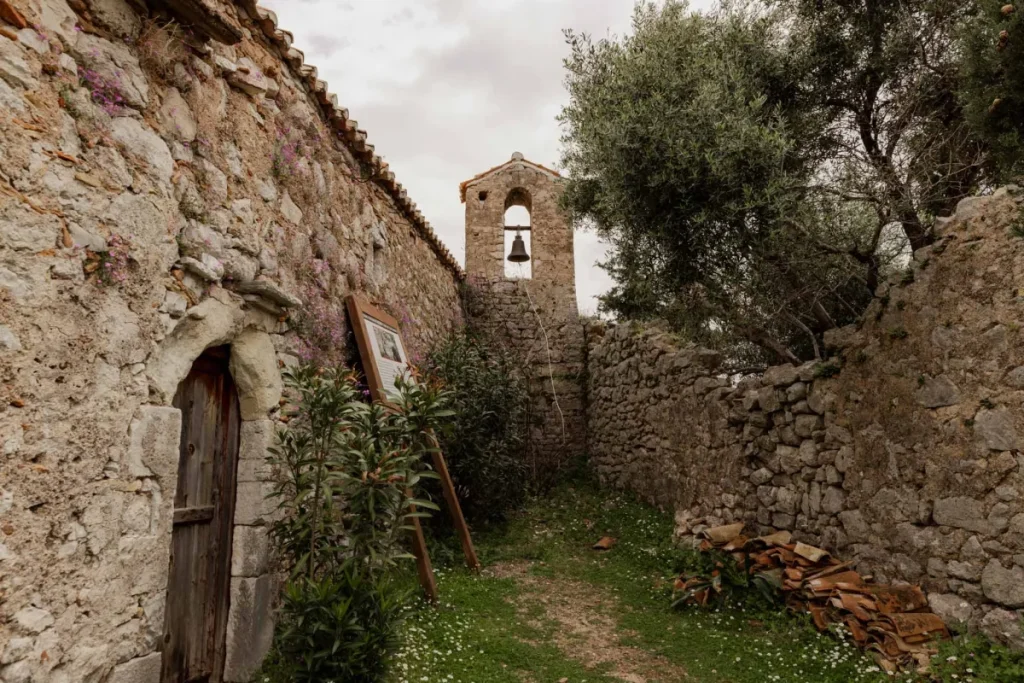
Himarë Old Town
Himarë is a municipality in Vlore County, covering almost 600 square kms.
The coastal region of Himarë is predominantly populated by an ethnic Greek community and the local population is bilingual in Greek and Albanian. Himarë Old Town (previously named Chimaera) is located at the top of a hill and comprises a timeworn settlement with many uninhabited houses, narrow, cobbled laneways and a ruined fortress, overlooking the Ionian Sea. It is worth walking around to gain a feel for what life in the not so distant past was like for the villagers. Today, many of the dwellings are being renovated and turned into tourist accommodation.
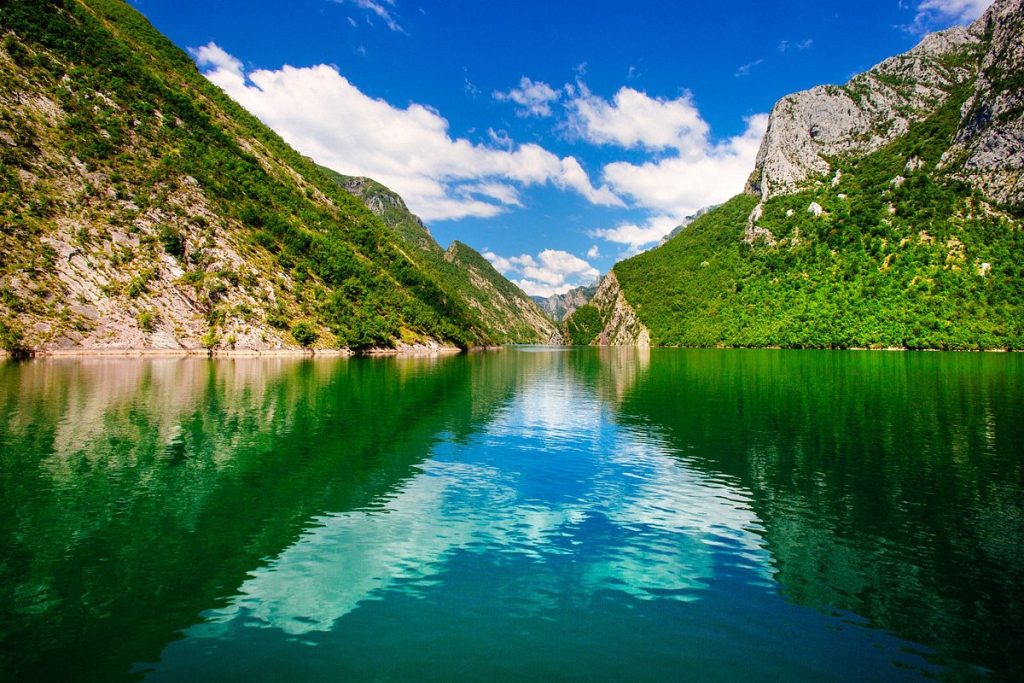
Komani Lake
Komani Lake was artificially created in the late 1970’s, following the construction of the Komani Hydropower Dam. It took almost two years for the waters of the Drini River to fill the lake to its present level. Ancient valleys have been transformed into magnificent fiords that grace this 34.5 kms long and up to 400 metres wide lake. The changing panorama from Komani to Fierza is a superb landscape of canyons and almost vertical slopes overlooked by towering peaks. The Shala, the Valbona and other rivers spill into the lake offering refreshing swims and scenic kayaking.
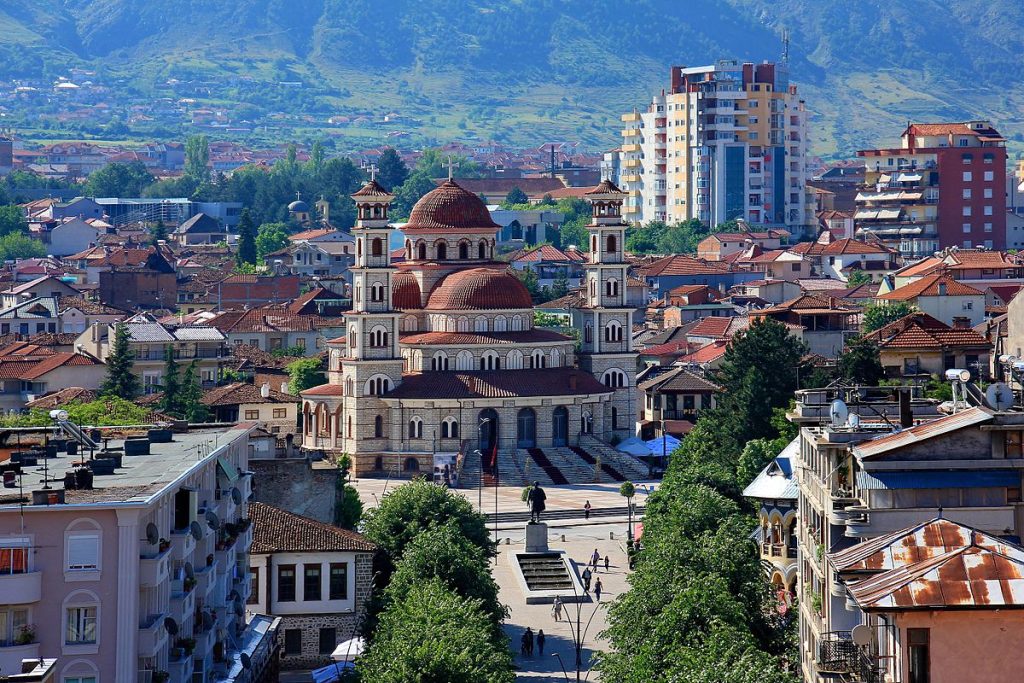
Korça
This 13th Century town is in Central Albania. Its picturesque cobblestone streets, parks, beer gardens, green spaces, university campus and Ottoman-era style architecture, together with the city’s old bazaar make it a very rewarding place to visit. There is a Greek feel to this university town, with its population of around 60,000 people.
Ksamil
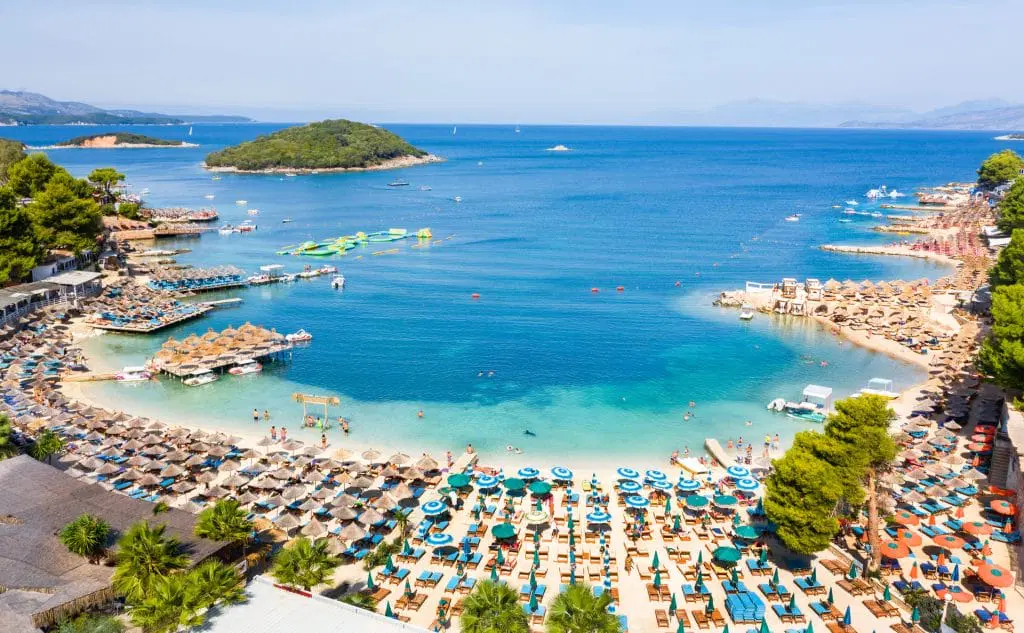
Ksamil lies to the South of Sarande, and sweeps around a series of low, wooded headlands and encompasses a number of beautiful, still, glistening bays, beaches and small islets. The three small islands in its turquoise bay are an easy swim or boat ride away. The area is popular with tourists in the Summer and the town beach is always busy, so the islands can offer some respite.
Lepushë Valley
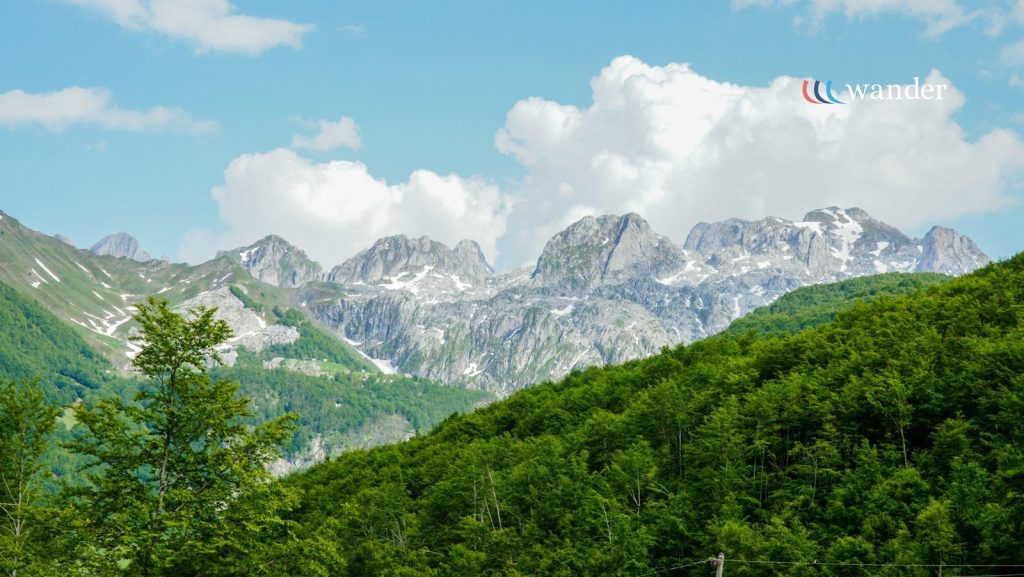
This glacially formed valley at 1,000 metres above sea level, lies 95 kms from Shkodra and contains the villages of Lepushe and Vermosh, and a river of the same name. The area is known for the unique quality of its dairy products and its delicious potatoes. There are 45 peaks with heights over 2,000 metres.
Llogora
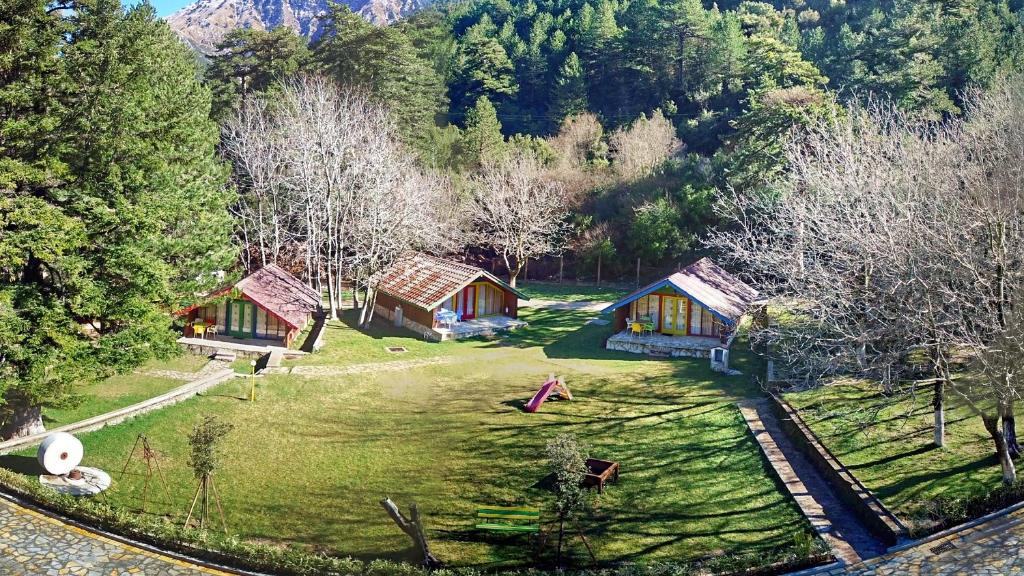
Llogara was declared a National Park by the Albanian Government in 1966. The park protects the forests of Bulgarian firs, Bosnian pines, black pines and ash on the north side of the Llogara Pass. The park and its surrounding mountains attract hikers, and there are many hotels in the area to accommodate them. A popular walk is Caesar’s Way, named after Julius Caesar who marched through the area in pursuit of Pompey. South of Logara is a world-renowned paragliding site.
Ohrid Lake
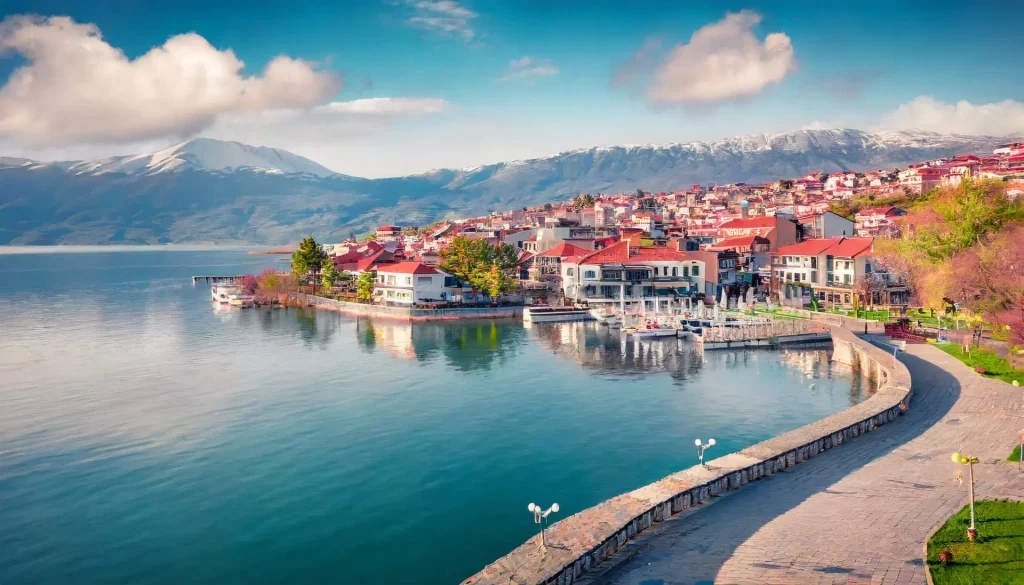
Lake Ohrid, a UNESCO World Heritage Site, straddles the mountainous border between Northern Macedonia and Albania. 110 square kms – just under half of the lake – belongs to Albania. It is one of Europe’s deepest (288 metres) and oldest lakes. The lake is fed by filtered spring inflows, creating exceptionally clear waters. The lake drains into the Black Drin River, which flows ultimately into the Adriatic Sea. The small lakeside community of Pogradec is a popular destination for tourists but there is a growing concern that the increasing population in the area with its attendant development of the infrastructure is affecting its natural beauty, flora and fauna.
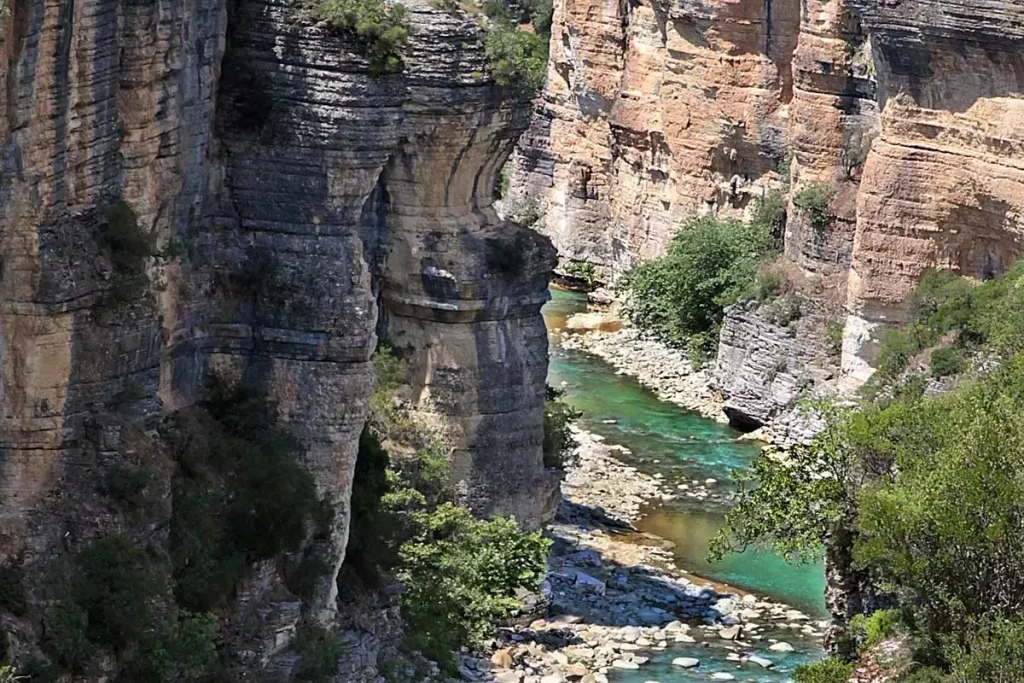
Osumi Canyon
Osumi Canyon, a river gorge, is often called the Colorado of Albania. It is located in a segment of the Osumi valley, and is 26 kms long, having been formed around 3 million years ago. The spectacular rockscapes offer interesting views and local walks can be undertaken both in and above the feature. Rafting is undertaken when the river flow is fast enough.
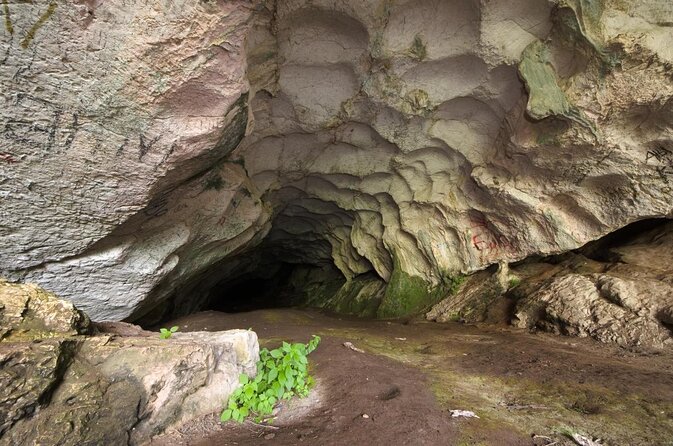
Pëllumbasi Cave
The Cave of Pëllumbas, or the Black Cave is about an hour’s hike from the village of Pëllumbas. The cave is approximately 360 metres long and contains impressive stalagmites and stalactites, as well as bats. It was once the home for bears. Today, it has become a popular day-trip for visitors and hikers.
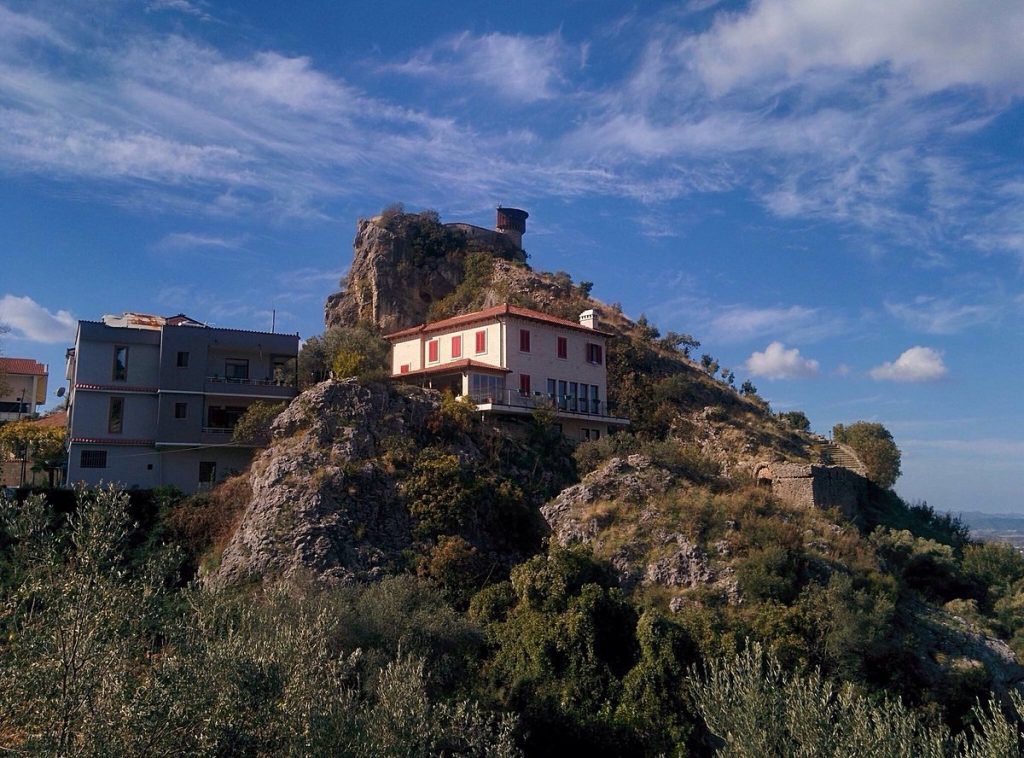
Petrela Castle
The 6th century castle is in central Albania at an altitude of 329 metres. Petrela Castle was part of the signalling and defence system of Kruja Castle. The castles signalled to each other by means of fires. During Skanderbeg’s battles against the Ottomans, Petrela Castle was under the command of Mamica Kastrioti, Skanderbeg’s sister. There is a restaurant inside the castle which itself offers spectacular views of the Erzen valley, the hills, olive groves, and surrounding mountains.
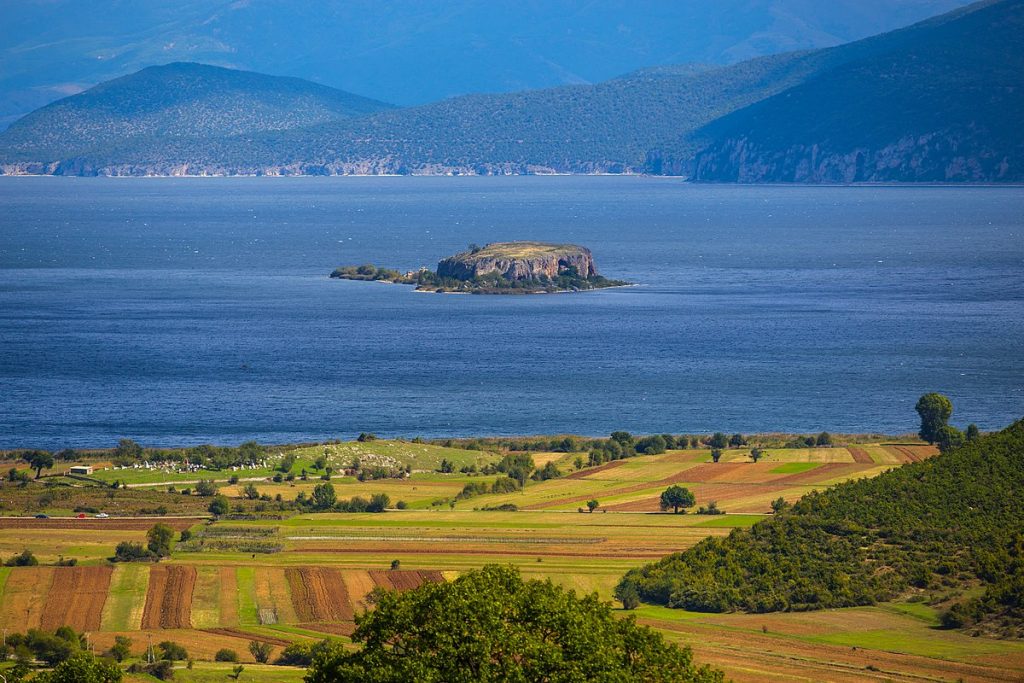
Prespa Lake
Prespa is the name of two freshwater lakes shared by Albania, Greece, and Northern Macedonia. They are the highest tectonic lakes in the Balkans, standing at an elevation of 853 metres. The Great Prespa Lake feeds Lake Ohrid, 10 kms away, with water which runs through underground karst channels and springs. The natural beauty of the area, with an abundance of rare fauna and flora, has become a tourist destination.
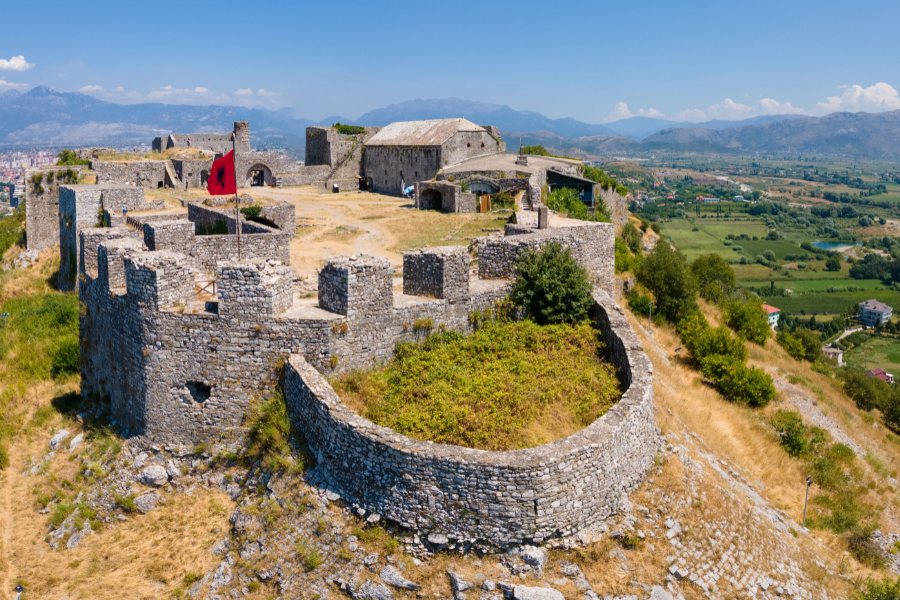
Rozafa Castle
The castle sits on an imposing rocky mount, 130 metres above sea level, near the city of Shkodra. Due to its strategic location, the hill has been settled since antiquity. It was an Illyrian stronghold until it was captured by the Romans in 167 BC. The fortifications today are mostly of Venetian origin. The castle has been the site of several famous sieges, including the siege of Shkodra by the Ottomans in 1478 and the siege of Shkodra by the Montenegrins in 1912.
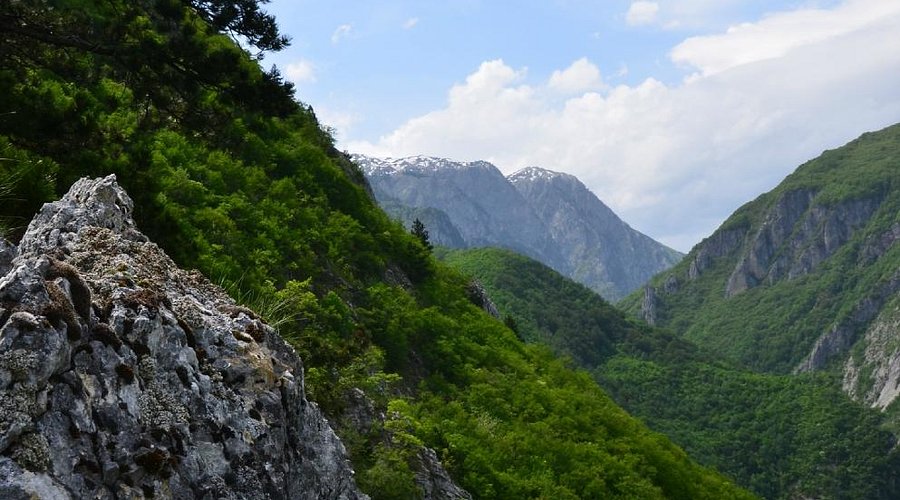
Rugova Canyon
This 25 kms long, 1,000 metres deep canyon lies close to the border with Montenegro and contains many springs, waterfalls, caves and wells, created by glacier activity many centuries ago. It is considered to be one of Europe’s deepest and longest canyons. A large number of caves remain unexplored. The canyon and its local environs offer great opportunities for hikers, rock-climbers and cave explorers.
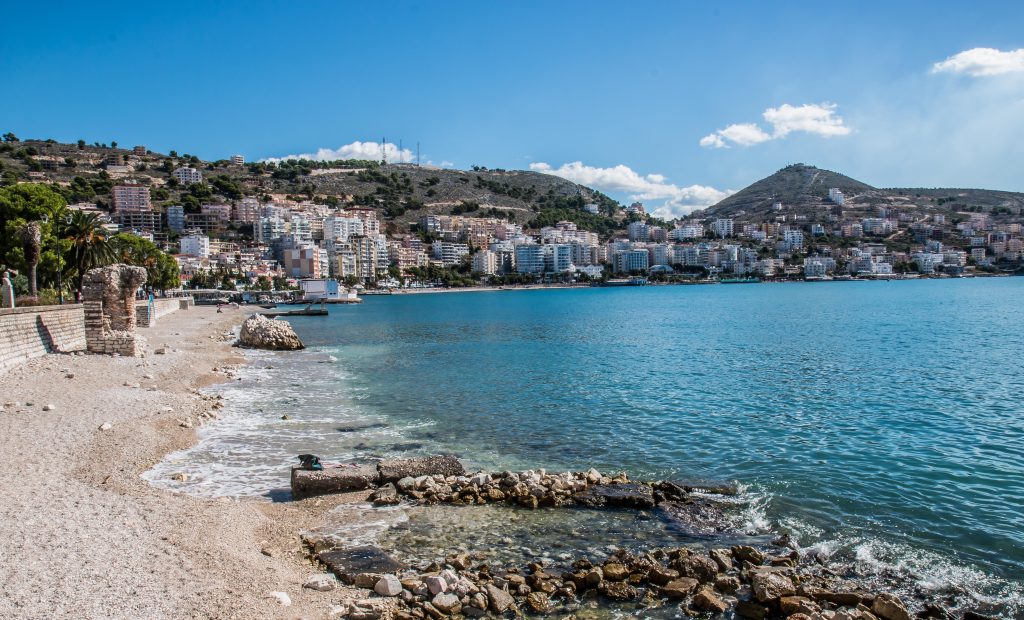
Sarandë
Sarandë is the southern gateway to the Albanian Riviera, in the South of the country. The city has a busy port from where you can hire boats of any size or take a day-boat trips to some of the beautiful beaches like Kakomë, and Krorëz. The city abounds in hotels of all grades, excellent restaurants and a busy esplanade, full of life with waterside dining whether by day or night. The nightlife is particularly energetic. Tourism is the beating heart of Sarandë which has many resorts placed along its scenic horseshoe-shaped bay.
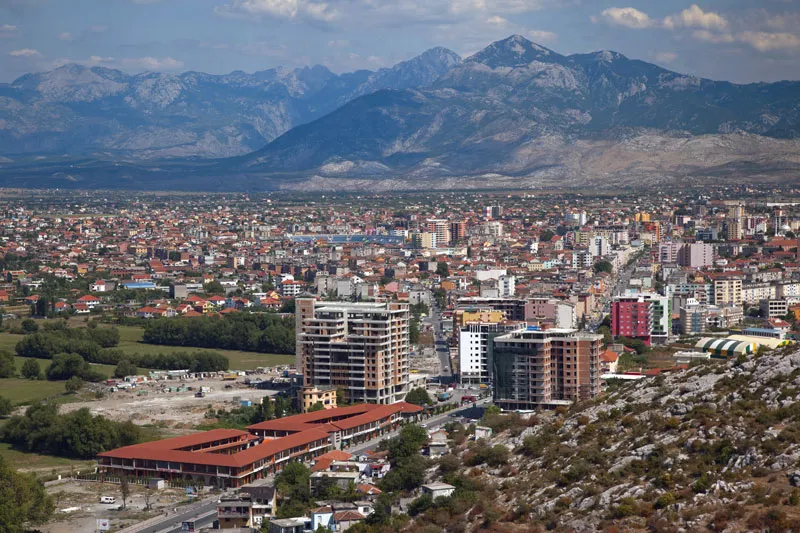
Shkodër
The very attractive, large university town of Shkodër, dates back to 1 BC. Its buildings represent the different cultures that have occupied the site in the past, and include the Romans, Byzantines, Bulgers, Serbs and Turks. As a result, the city boasts some of Albania’s best museums. The city remains the traditional market centre for the northern Albania mountain area, where grains, tobacco, vegetables and fruit are grown. A dam on the Drin River, south east of the city controls flooding and contains one of the country’s major hydroelectric power stations. Shkodër’s manufactures include cotton and silk textiles, copper-wire products, and processed foods. Lake Scutari, to the North and close to the city, offers long, sandy beaches. Overlooking the city is Rozafer Castle. In the centre is a very attractive pedestrian zone and there is an abundance of chic cafes and restaurants with outdoor seating. This city is a must-see destination.
Theth Valley
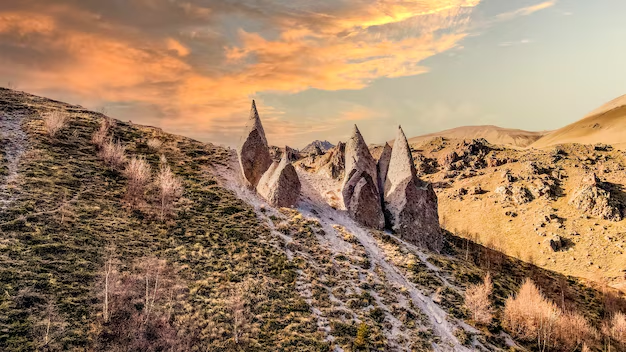
Theth Region is a National Park in the heart of the Albanian Alps, some 70 kms from Shkodra. The Park is covered with dense forests of beech, maple, ash and hornbeam in an area of 2,630 hectares and is at a height of 600 to 2,570 meters above sea level. The fauna of the park contains many animals including lynx, 50 species of birds, 10 species of reptiles and 8 species of amphibians. Interesting sites include the 30 metre Grunasa waterfall, the blue eye, stone bathtubs, Arapi cave, and the Tower of Isolation – a cultural monument. Outdoor activities conducted in the area include hiking, caving, fishing and mountain biking.
The small village of Theth is the start of two highly rewarding 8 hour hikes: one easy to moderate, with dramatic landscapes which is very doable for less-experienced hikers; and the other, the Theth to Valbona hike, through the mountains with breath-taking views but which is not for the faint-hearted, as it will take roughly 6 to 8 hours to complete.
Permët
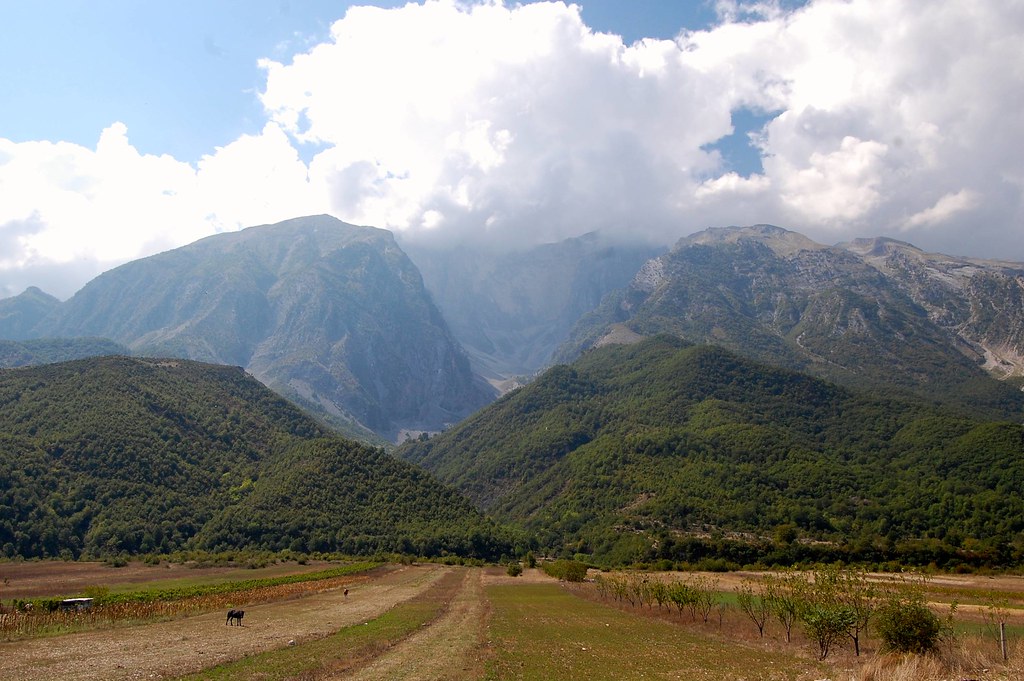
Once an Ottoman-era (14th Century) commercial center, Përmet town is today the centre of one of Albania’s greenest and most pristine regions. On a bend in the fast-flowing, turquoise Vjosa River, only 32 kms from the Greece border and 60 kms from Gjirokastër, Përmet is a hub for adventure, including white-water rafting, camping, hiking and mountain-bike riding.
Porto Palermo
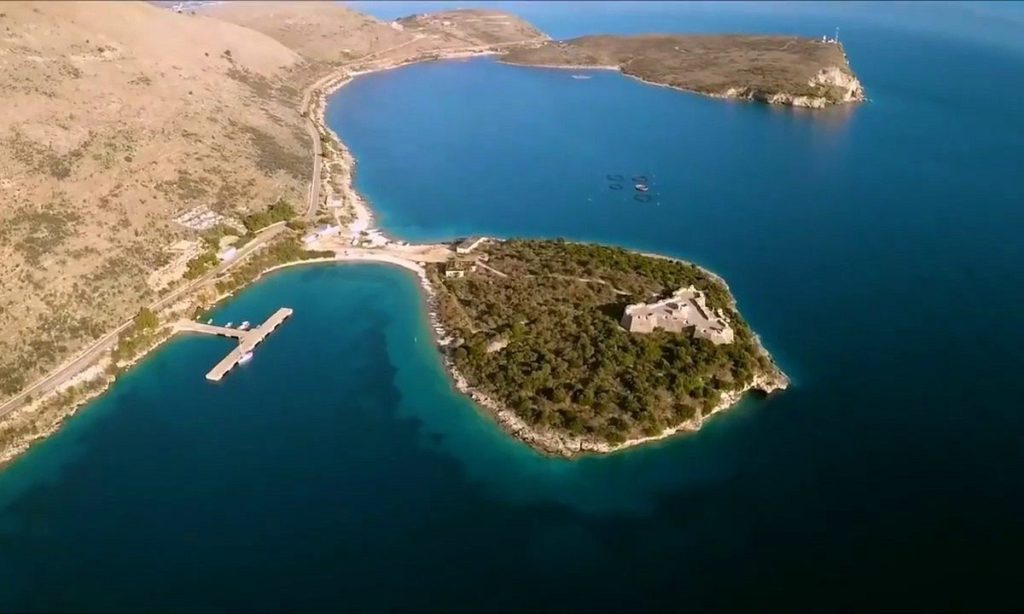
This small coastal community and small port has beautiful, unspoiled and peaceful beaches, ideal for safe swimming. The local area is good for camping, and you can rent a kayak and paddle along the beaches and quiet bays. Not far away is a communist era military submarine pen to paddle past. The main feature to attract tourists to Porto Palermo is the small but well preserved, early 19th century fort built by Ali Pasha of Tepelena, and which commands the approaches to the local area. The fort is open to the public for a small entrance fee.
Valbona Valley
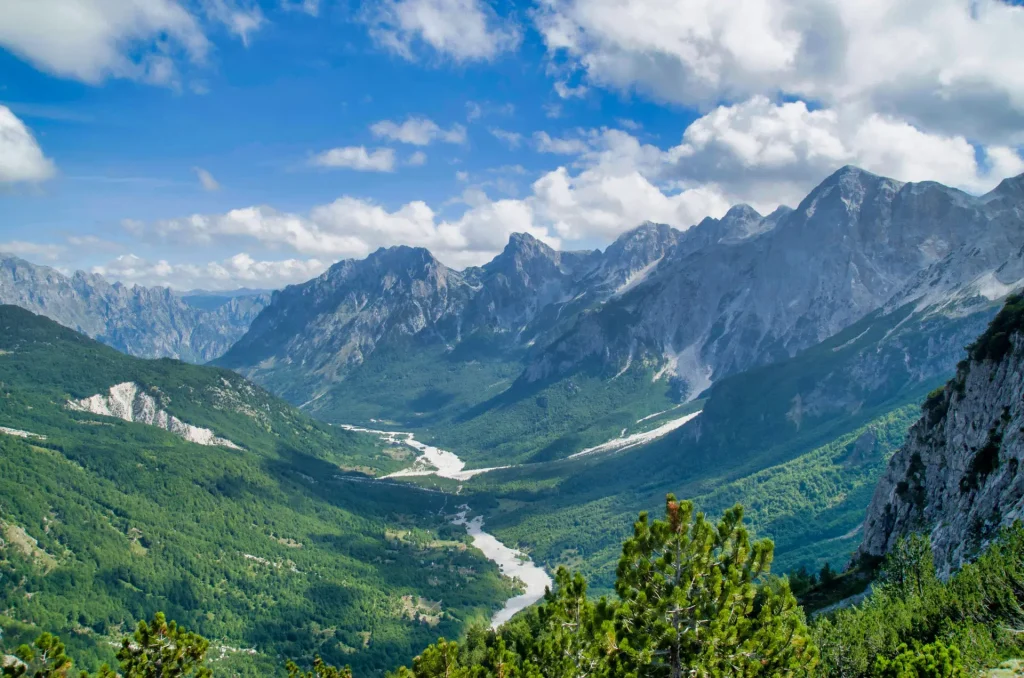
The valley is 1,000 metres above sea level, looked down on by the 2,000 metre-high peaks of the Albanian Alps. A 22 kms mountain road passes through the canyons of Shoshan and Klysira, providing awe-inspiring views and panoramas. The small village of Valbona is located at the end of the valley, near the source of the river with the same name. There are some excellent trails for trekkers in the area.
Voskopoja
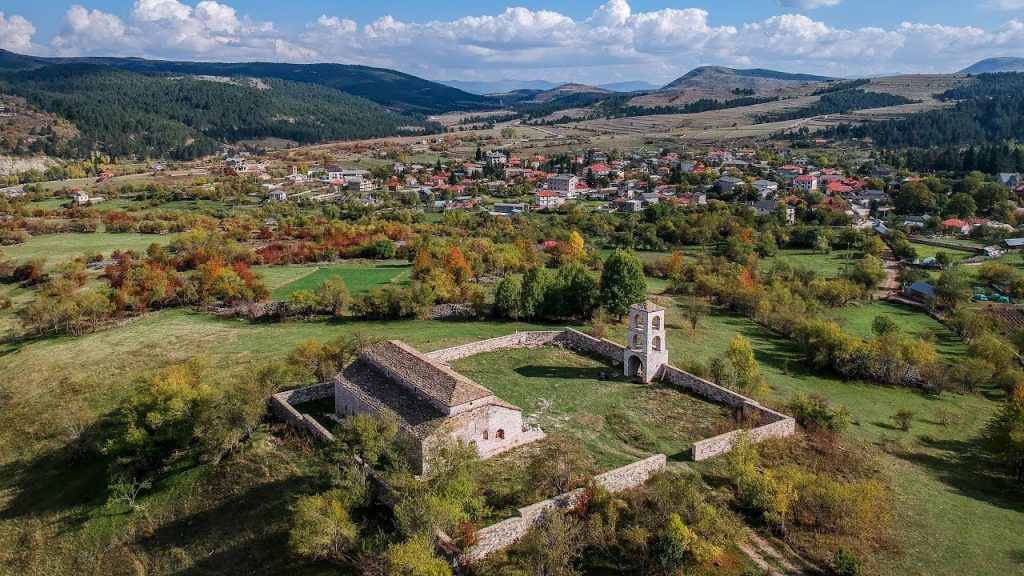
The small village of Voskopoja lies 21 kms from Korçë, in the mountains of southeastern Albania. It was once a cultural and commercial centre. In the mid 18th century, it hosted the first printing press in the Balkans. Today, the village’s churches provide some interesting history in the form of paintings and murals to give a good impression of its interesting past.
Tirana
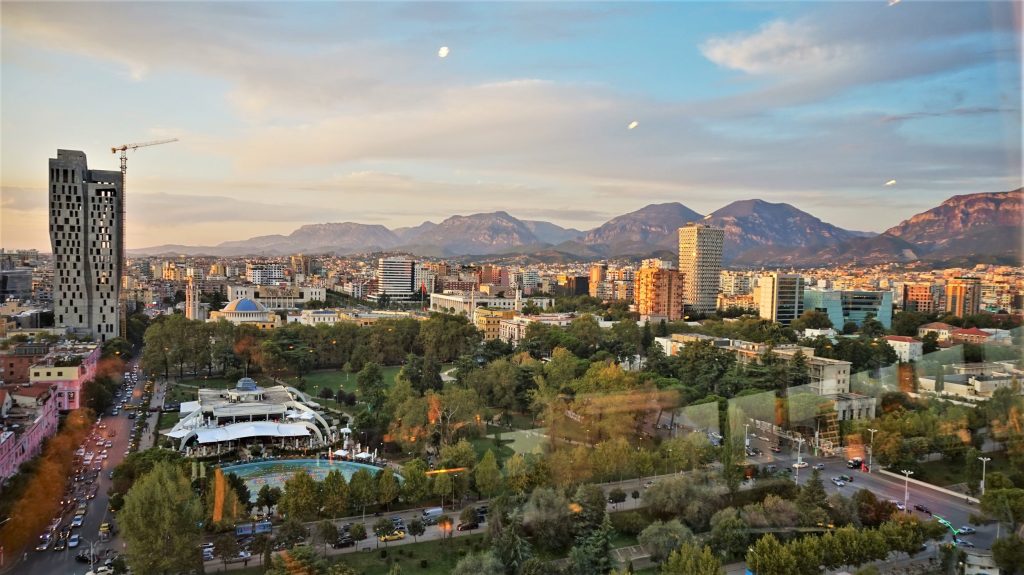
The capital, Tirana is an interesting mix of ages and cultures, progress and economic development, including the country’s relatively recent Communist era. There is plenty to see and experience, including fascinating museums, art galleries, squares, parks, memorials, interrogation centres, prisons and bunkers. One of the city’s museums is a Communist era bunker – Bunk’Art 2, a 24-room museum exhibiting items and events from 1912 to 1991. Another museum is House of Leaves, used by the Gestapo during World War II and later, by the communist state’s political police, Sigurimi. The open-air museum of Postbllok contains exhibits that highlight the atrocities of Hoxha’s communist regime. The eclectic café-museum, Komiteti has a display of 17,000 antiques and traditional costumes in a vibrant atmosphere which attracts the city’s young locals. Et’hem Bey Mosque is considered unique due to the motifs that adorn its frescoes: depictions of forests and waterfalls. And there are many other places for tourists to visit too, like lively bars and restaurants, lounges, pizzerias and artist studios. The cuisine of Albania is widely available, being a mix of Mediterranean produce and Balkan gastronomy, influenced by the country’s Ottoman past.
To get breathtaking views over the city, the Dajti Ekspres cable car offers a 15 minute trip up Dajti Mountain on the longest cableway in the Balkans. At the summit, Dajti Tower Hotel has a rotating bar and café.
Vjosa and Langarica
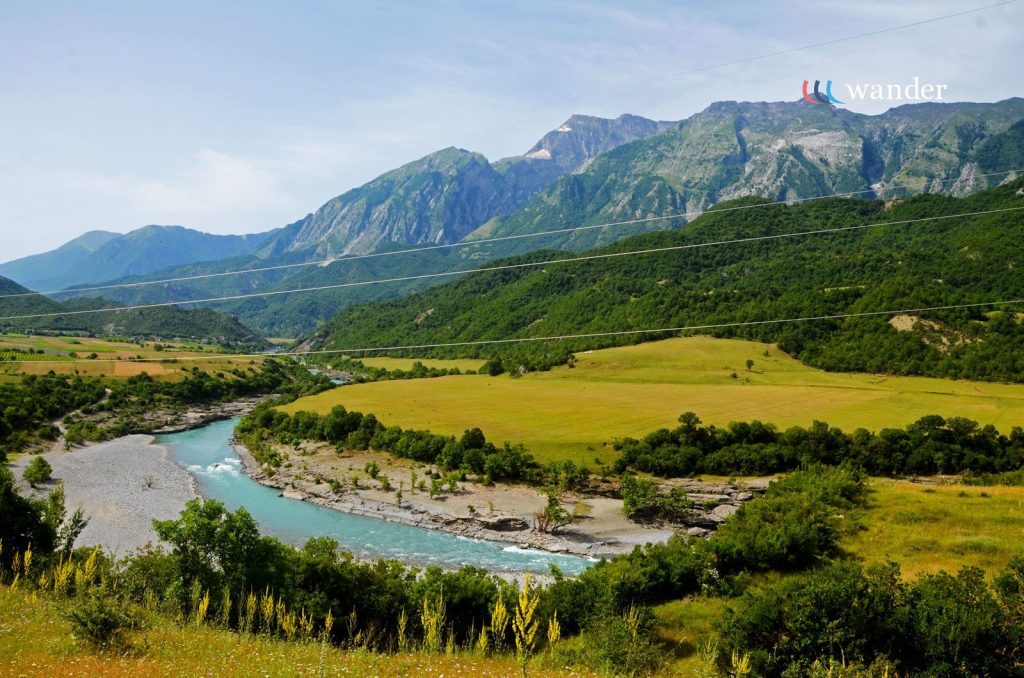
Albania’s 270 kms long Vjosa River, with its crystal clear waters, is one of Europe’s last remaining wild rivers, characterized by beautiful canyons, braided river sections, islands, oxbows and meandering stretches. In some areas the riverbed is more than 2 kms in width. The river starts in Greece as the Aoos River and ends in Albania, in the Adriatic Sea. The river’s biodiversity, includes otters, a wide variety of fish species, water fowl, other animals, insects and flora. Its terraces provide the local communities along its course with fertile land for crops and livestock farming.
The Langarica is a tributary of the Vjosa. It includes a 7 kms long canyon, 80 metres in depth and there are also 8 thermal springs along the river, attracting hundreds of tourists each year.